Get expert tax and accounting help!Call(212) 641-0673

Author

George Dimov — Page 37

Expert tax tips, accounting insights, and financial guidance from George Dimov, CPA — serving clients across all 50 states for over a decade.

Page 37 of 57

Browsing all posts: Page 37 of 57

Does 5071C mean you’re getting audited?
December 31, 2024Tax Strategy & Planning5 min read

Does 5071C mean you’re getting audited?

Receiving a letter from the IRS can be stressful, especially if it’s a 5071C letter. Naturally, you might wonder, “Does 5071C mean I’m being audited?” The short answer is no—a 5071C letter is not an audit notice. Instead, it’s a request from the IRS to verify your identity. Here’s what you need to know about this letter and how to respond.

December 31, 2024Tax Strategy & Planning5 min read

Is there a late filing penalty if you file an extension?

Filing a tax extension is a smart move if you need extra time to complete your return, but it’s essential to understand how extensions work when it comes to penalties. Many taxpayers wonder, “Will I face a late filing penalty if I file an extension?” Here’s what you need to know to stay compliant and avoid unnecessary fees.

December 30, 2024Tax Strategy & Planning5 min read

How do I fix errors on my submitted return?

Mistakes happen, even on tax returns. If you’ve already submitted your return and realized there’s an error, don’t panic—there are steps you can take to correct it. Whether it’s a math error, a missed form, or incorrect personal information, here’s how to fix errors on your submitted tax return.

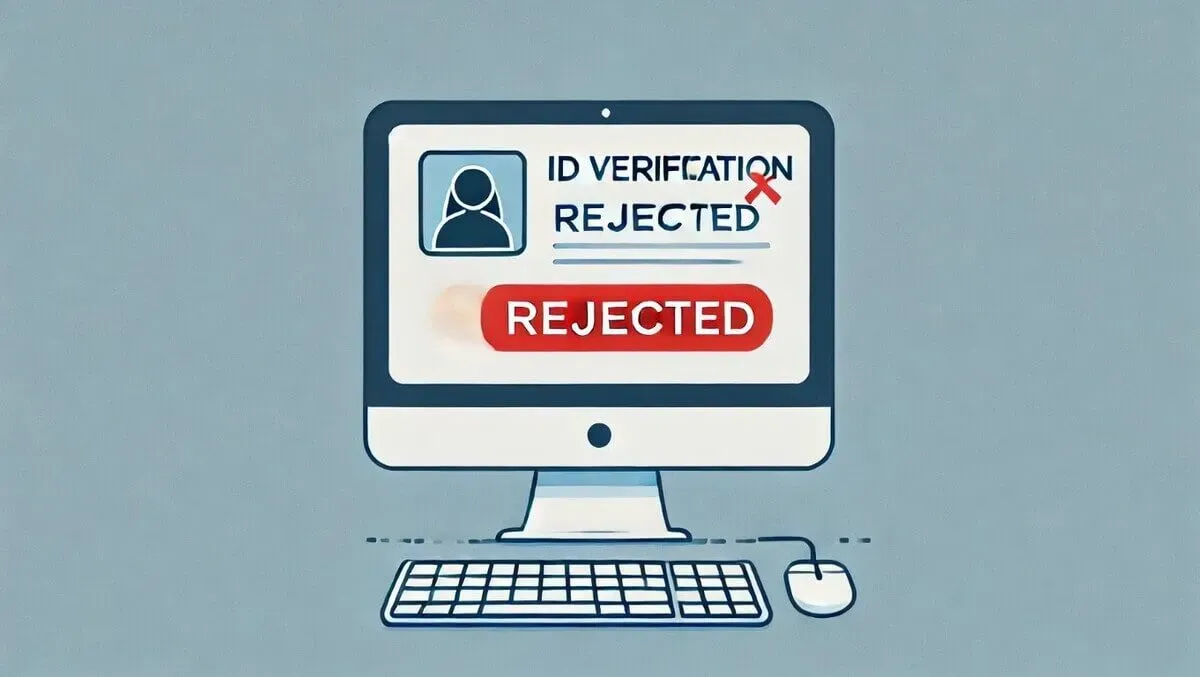
Why is my identity verification rejected?
December 30, 2024Tax Strategy & Planning5 min read

Why is my identity verification rejected?

If your identity verification is rejected by the IRS, it can be frustrating and confusing, especially if you’re trying to resolve tax filing issues or access a refund. Understanding why this happens and how to address it can save you time and stress. Below, we’ll explore the common reasons for rejection and the steps you can take to resolve the issue.

December 30, 2024Tax Strategy & Planning5 min read

Do you pay taxes if you lose money on crypto?

If you’ve lost money on your cryptocurrency investments, you might be wondering whether you need to pay taxes. The good news is that you generally won’t owe taxes if you lose money on crypto, but understanding how capital losses work in the context of crypto is important for managing your tax obligations.

December 30, 2024Tax Strategy & Planning5 min read

Do you pay taxes when you transfer crypto?

When it comes to transferring cryptocurrency, many people wonder whether it triggers a tax event. The short answer is no—transferring crypto from one wallet to another generally does not result in taxes. However, it’s important to understand the difference between transferring and selling or exchanging crypto, as the latter can have tax implications.

December 30, 2024Tax Strategy & Planning5 min read

Who is Exempt from NYC Tax?

New York City imposes a variety of taxes on individuals and businesses, including income taxes, property taxes, and sales taxes. However, certain individuals and entities may be exempt from some or all of these taxes based on specific criteria. Here’s a breakdown of who is exempt from NYC tax and under what conditions.

December 30, 2024Tax Strategy & Planning5 min read

How Can I Avoid UBT in NYC?

The Unincorporated Business Tax (UBT) is levied on businesses operating within New York City that are not structured as corporations, including sole proprietors, partnerships, and LLCs. While it is difficult to completely avoid UBT if your business operates in NYC and meets the requirements, there are several strategies that can help you reduce or minimize UBT liability. Here are some ways you can potentially avoid or lower the UBT:

December 30, 2024Tax Strategy & Planning5 min read

Is Real Estate Exempt from NYC Unincorporated Business Tax (UBT)?

In New York City, businesses that are not incorporated—such as sole proprietors, partnerships, and limited liability companies (LLCs)—are subject to the Unincorporated Business Tax (UBT). However, when it comes to real estate activities, there are specific rules and exemptions that determine whether a real estate business or individual is subject to the UBT.

December 30, 2024Tax Strategy & Planning5 min read

What is the 183-Day Rule in New York State?

The 183-day rule in New York State is a critical tax guideline that helps determine if an individual qualifies as a resident for tax purposes. Under this rule, if you spend 183 days or more in New York State during the tax year, you are generally considered a resident of the state for tax purposes, regardless of where your primary home is located.

December 30, 2024Tax Strategy & Planning5 min read

Who Has to Pay NYC Unincorporated Business Tax (UBT)?

The New York City Unincorporated Business Tax (UBT) applies to businesses operating within the city that are not structured as corporations, including sole proprietors, partnerships, and limited liability companies (LLCs). If you are a self-employed individual, part of a partnership, or a member of an LLC and your business generates income within NYC, you may be subject to the UBT. Below is an overview of who must pay this tax.

December 30, 2024Tax Strategy & Planning5 min read

What is the 10-Hour Rule in New York?

The 10-hour rule in New York refers to a guideline used to determine whether an individual is considered a nonresident for tax purposes based on their time spent in the state. This rule is often applied in the context of determining whether someone who works in New York State but lives outside the state should be taxed as a nonresident or resident.

Contact us anytime

Ready to get started?

Please fill out this form and someone will get back with you shortly. We are available in the evenings and on the weekends for your convenience.