
August 21, 2026Taxes9 min read
Tax deductions for freelance models
Model tax write offs explained by a New York CPA. The wardrobe rule, the grooming rule, foreign shoot income, and a worked Schedule C example.
Author
Expert tax tips, accounting insights, and financial guidance from George Dimov, CPA — serving clients across all 50 states for over a decade.
Page 4 of 32
Browsing all posts: Page 4 of 32
Model tax write offs explained by a New York CPA. The wardrobe rule, the grooming rule, foreign shoot income, and a worked Schedule C example.

Section 1250 recapture is the IRS process of taxing the portion of your gain attributed to depreciation on real property.

Selling an asset that has been fully depreciated can have significant tax implications. When an asset is fully depreciated, it means its book value has been reduced to zero through depreciation deductions over time. However, the gain from the sale may still be subject to taxation, including depreciation recapture. Here’s what you need to know about the tax consequences of selling a fully depreciated asset.

If you suspect that a tax warrant has been issued against you in New York State, it’s important to address the situation promptly. A tax warrant is a legal tool used by the New York State Department of Taxation and Finance (NYSDTF) to enforce tax collection when taxes are overdue. It gives the state the authority to take aggressive actions, including garnishing wages or placing liens on property, to recover the owed amounts.

When a tax warrant is issued, it gives the government the authority to seize assets to collect unpaid taxes. However, certain assets are protected by law, offering some relief to taxpayers. Understanding which assets are shielded from seizure can help taxpayers safeguard their property and plan for potential tax issues.

Winning $5,000 from the lottery in New York is an electrifying experience. However, it is important to acknowledge how much of the prize actually can be taken home after taxes, before celebrating. Both federal and state level taxes apply to lottery winnings. Moreover, local taxes might also be a factor in accordance with where you live.

It should be understood that the estate tax threshold in New York State is $7.16 million. In 2025, it means that if the total value of a deceased individual’s estate exceeds that amount, a New York State Estate Tax Return—specifically Form ET-706—should be filed.
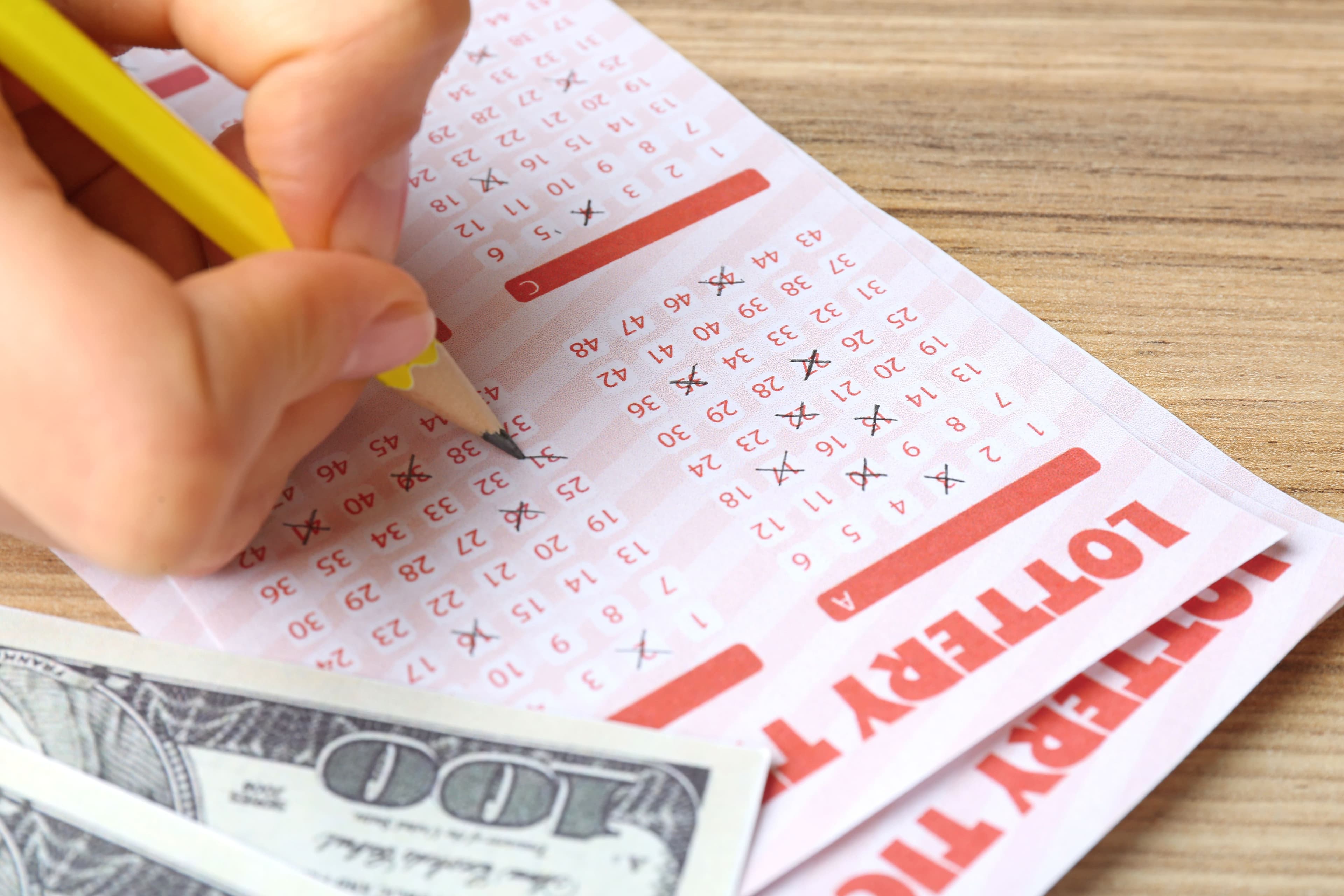
Winning the lottery is a life-changing event. However, it is critical to acknowledge the taxation that would be applied to the winnings before making major plans. In this context, lottery prices are subject to both federal and state level taxes in New York. Especially if the winner lives in New York City or Yonkers, there may be additional local taxes.
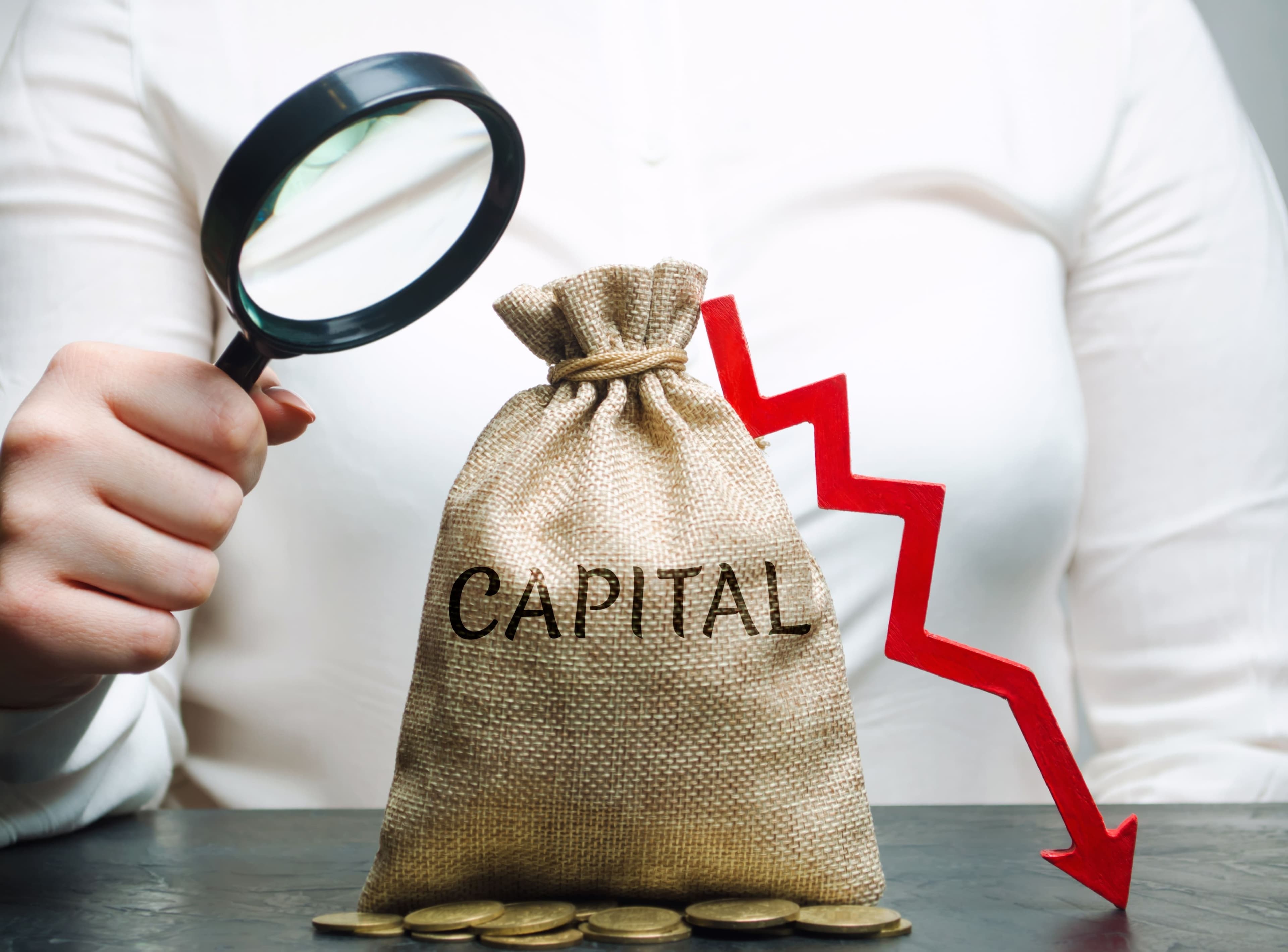
Selling a property can lead to significant capital gains taxes, but there are several strategies to reduce or avoid this liability. By leveraging tools like the primary residence exclusion, a 1031 exchange, or reinvesting in tax-advantaged accounts, you can minimize the impact on your finances and maximize your gains.

If you realize that your tax return contains errors or omissions after it has been filed, you may need to submit an amended return. However, it’s important to understand the time limits for making such corrections to avoid losing the opportunity to adjust your tax records.
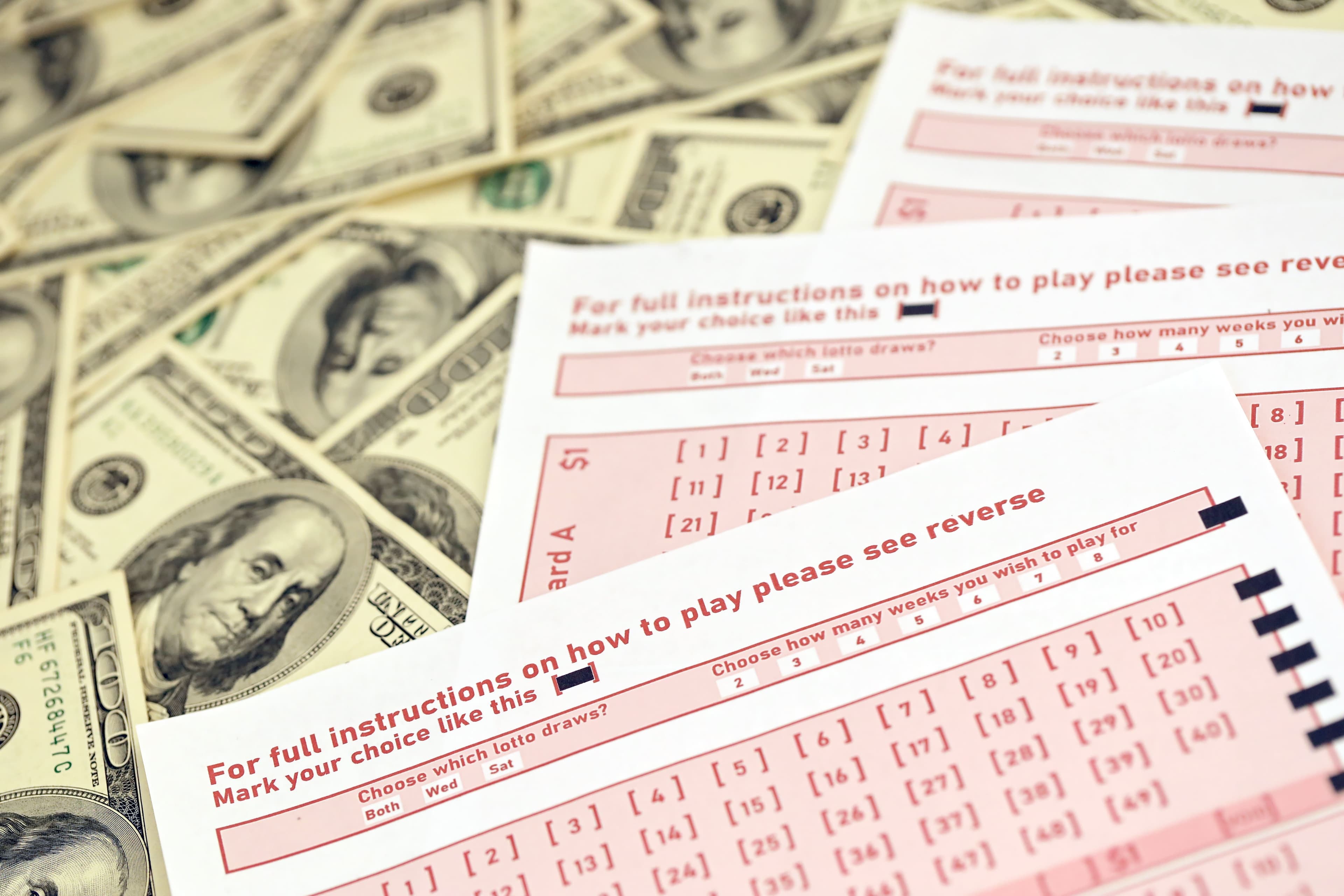
Winning the lottery can be a spectacular fortune. But before making spectacular plans, it is important to recognize how much of the prize will go toward taxes. It should be noted that New York applies multiple tax levels to lottery winnings. It includes federal, state and local taxes. The actual take home amount changes in parallel with where you live and how much you win.

Winning the lottery is exciting. Yet, it is also important to acknowledge the tax applications before celebrating. In New York, lottery winnings are subject to multiple tax levels. The taxation implications cover federal, state, and, in some cases local level taxes. So, how much tax do you pay on a $1,000 lottery ticket in NY?