Understanding tax obligations at the federal, state, and local levels is crucial for both individuals and businesses in White Plains to ensure compliance and avoid potential penalties. Here’s a more detailed look into each of these tax considerations:
Federal Income Tax
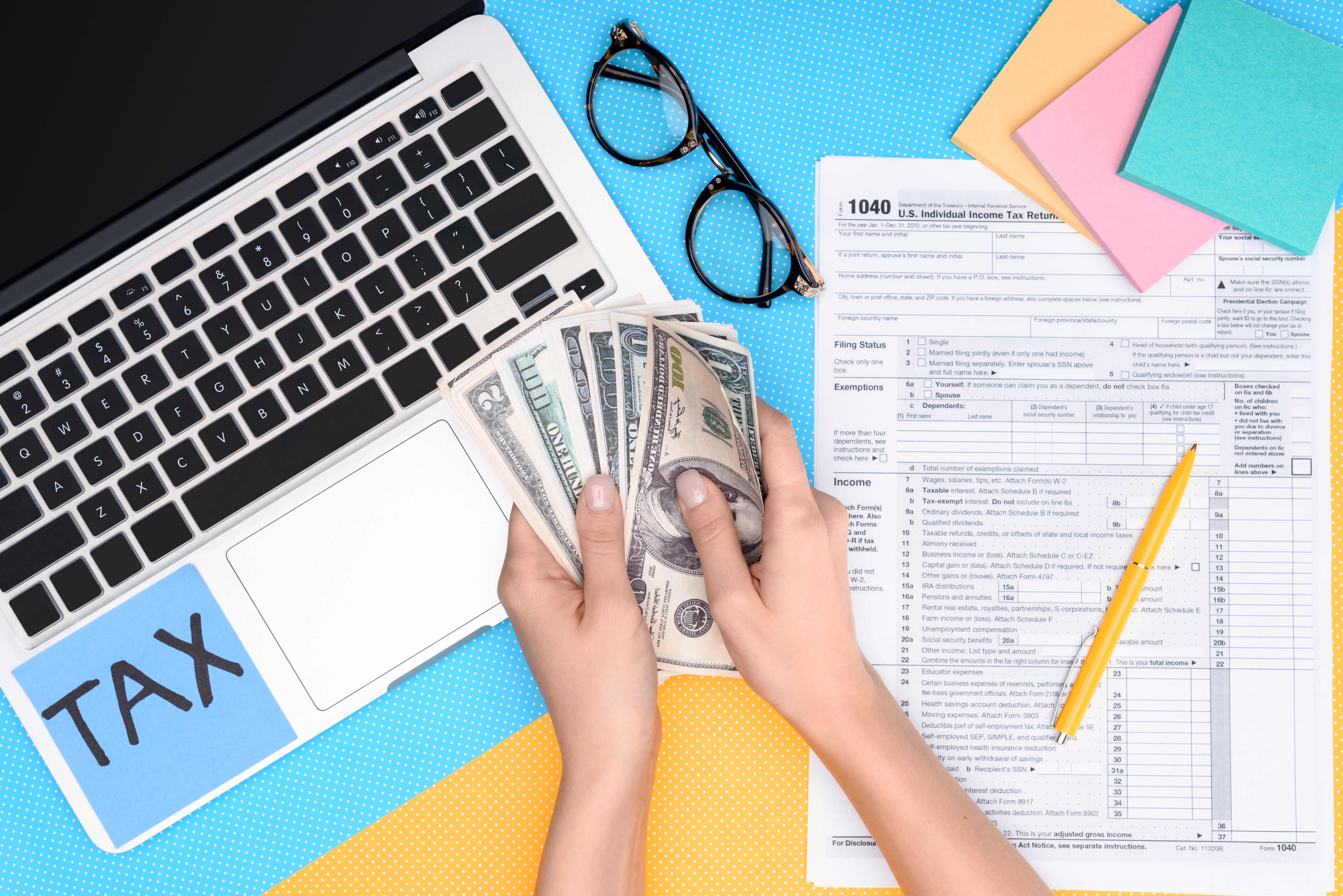
As a resident of the United States, everyone, including those living in White Plains, is required to adhere to federal income tax regulations set by the Internal Revenue Service (IRS). This includes understanding the necessary forms, deductions, credits, and deadlines. Federal income tax is based on a progressive system, meaning that as your income increases, the rate of tax you pay on your income also increases. Key components include:
-
- Filing Status: Understanding various filing statuses such as single, married filing jointly, married filing separately, head of household, and qualifying widow(er) can significantly impact tax liability.
- Deductions and Credits: Identifying eligible deductions (such as those for mortgage interest or student loan interest) and tax credits (like the Earned Income Tax Credit) can reduce taxable income.
- Tax Brackets: Familiarity with federal tax brackets helps in estimating tax obligations based on different income levels.
New York State Income Tax
New York State imposes a progressive income tax that affects residents differently based on their income levels. Here are some vital points to consider:
-
- Rates by Income Bracket: New York has several tax brackets, and residents will need to calculate their state income tax based on their annual income. The rates can vary widely, so being aware of where your income falls within these brackets is important.
- Local Adjustments: New York City residents have additional local taxes, while residents of other jurisdictions like White Plains may have different tax structures, so it’s crucial to identify local obligations.
- Credits and Deductions: New York State offers its own set of credits and deductions that can further decrease your tax burden, such as the Empire State Child Credit and the New York State Standard Deduction.
Local Tax Requirements
On top of federal and state taxes, residents of White Plains might be subject to local taxes that cater specifically to municipal needs. These can include:
-
- Property Taxes: Depending on the assessed value of the property, local property taxes can significantly impact homeowners and renters alike.
- Sales Tax: Understanding the local sales tax rates is essential, especially for businesses that sell goods and services, as these taxes may vary from state to state.
- Consultation with a CPA: Given the complexities of tax regulations, consulting with a Certified Public Accountant (CPA) can provide peace of mind. A CPA can guide residents through navigating these tax obligations, ensuring that all necessary federal, state, and local taxes are accurately filed. They stay updated on any changes in tax laws that may affect your finances.
By thoroughly understanding these components, residents of White Plains can stay compliant with tax obligations, potentially reducing their tax liabilities and enhancing financial security. It’s wise to keep organized records, seek professional guidance when needed, and stay informed about tax law changes to optimize tax outcomes.