

Get expert tax and accounting help!Call(212) 641-0673
Tax Strategy & PlanningDecember 29, 20245 min read

What rate are partnerships taxed at?

Partnerships themselves are not taxed directly at the entity level, as they are considered pass-through entities for federal and state tax purposes. Instead, the taxation occurs at the individual partner level, where each partner is taxed on their share of the partnership’s income, deductions, and credits. This means that the tax rate for partners is based on their individual tax brackets, rather than a specific tax rate for the partnership as a whole.

Serving NYC for 12+ years5-star rated on YelpOpen evenings & weekendsBy George Dimov
Get a Free Consultation

Fill out the form and our team will get back to you within 24 hours.

Here’s a breakdown of how the tax rate works for partners in a partnership:


Federal Tax Rate for Partners

  • Pass-Through Taxation: The partnership itself does not pay income tax. Instead, income, losses, deductions, and credits “pass through” to the individual partners.
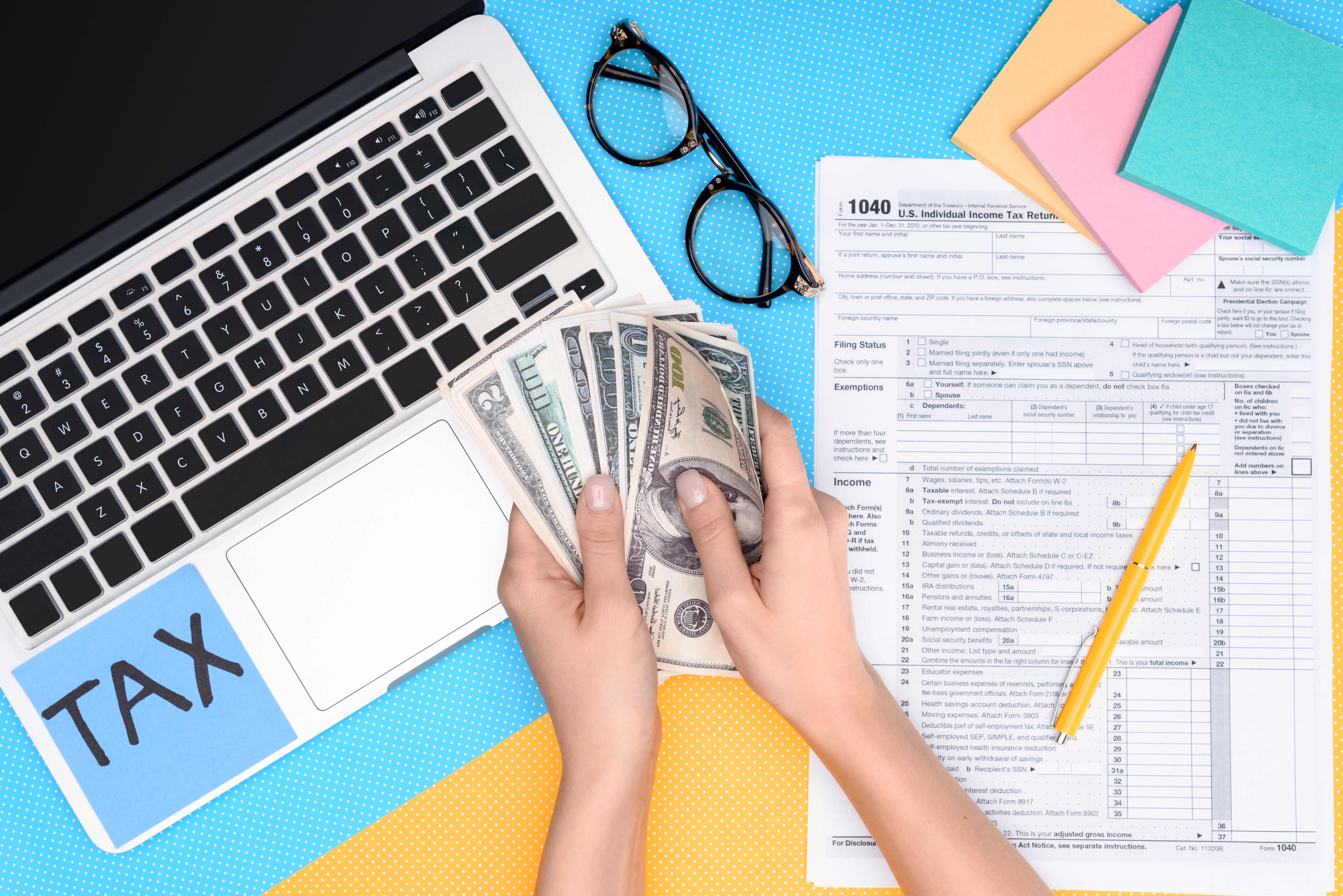
  • Individual Tax Rates: Partners report their share of the partnership’s income on their individual tax returns (Form 1040, Schedule E). The income is taxed at the partner’s ordinary income tax rate, which can range from 10% to 37% depending on the partner’s total taxable income.
  • Self-Employment Tax: Partners who actively participate in the business may be subject to self-employment taxes on their share of the partnership’s income. The self-employment tax rate is 15.3% (12.4% for Social Security and 2.9% for Medicare). An additional 0.9% Medicare tax may apply to high earners.


Capital Gains Tax Rate

If the partnership generates capital gains from the sale of assets, those gains are passed through to the partners. The rate at which capital gains are taxed depends on how long the asset was held:

  • Long-Term Capital Gains: If the asset was held for more than one year, the gains are taxed at the long-term capital gains rate, which is generally 0%, 15%, or 20%, depending on the partner’s income level.
  • Short-Term Capital Gains: If the asset was held for one year or less, the gains are taxed at the ordinary income tax rate.


State and Local Taxes

In addition to federal taxes, partners may also be subject to state and local taxes, depending on where the partnership operates and where the partners reside. Many states, such as New York and California, have their own tax rates and filing requirements for income earned by partnerships.


Partnership’s Income Allocation

The amount of income each partner is taxed on depends on how the partnership’s income is allocated. This allocation is generally determined by the partnership agreement, which specifies each partner’s share of the profits and losses.


Conclusion

Partnerships are not taxed directly. Instead, the income from a partnership is passed through to the individual partners, who are then taxed at their individual income tax rates. The tax rate depends on each partner’s total income, the nature of the income (ordinary income or capital gains), and any applicable self-employment taxes. Partners should report their share of the partnership’s income on their personal tax returns and pay taxes based on their individual tax bracket.

Similar Posts

Keep Reading

More insights selected for you.

Contact us anytime

Ready to get started?

Please fill out this form and someone will get back with you shortly. We are available in the evenings and on the weekends for your convenience.