ESPP Holding Period Rules and Tax Implications
- You held the stock for at least two years after the option is granted
- You held the stock for at least one year after you purchased it
You also have to remain employed by the company until at least three months before you try to sell your stock. If you meet the holding-period requirements, your ordinary income from the sale depends on the option price. The option price:
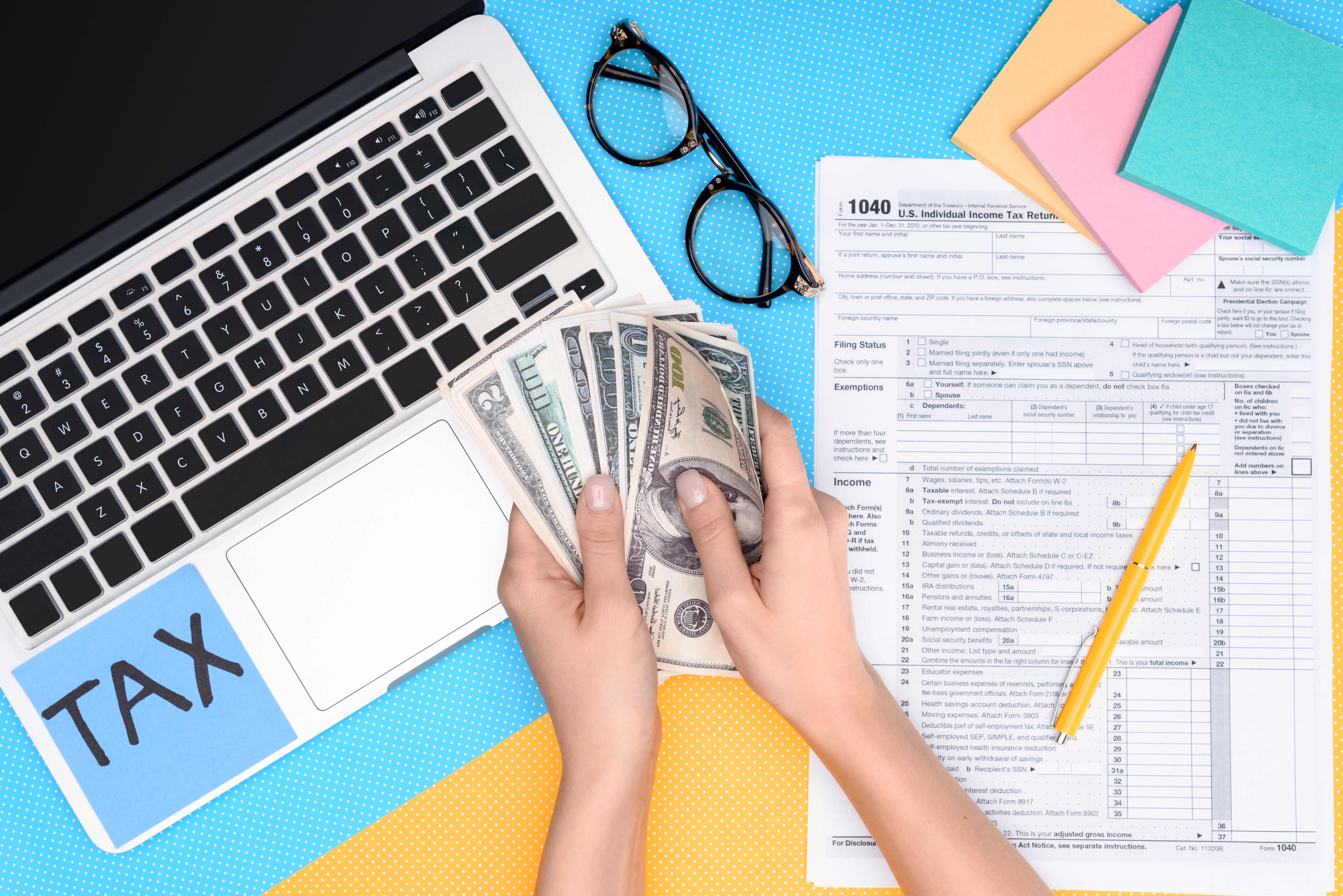
- Might be less than the fair market value (FMV) of the stock on the date you purchased it. If it is, you have ordinary income to the extent the FMV is more than the option price. You should report this income as wages on For 1040, Line 7, Your tax accountant can do that for you. The stock’s basis includes the ordinary income recognized in the sale year.
- Might not be less than the FMV of the stock on the date you purchased it. If that’s the case, treat the income as long-term capital gain. You then must report the capital gain on Schedule D. The stock basis is the option price.
- If you don’t meet the holding period requirement, it’s a disqualifying disposition. You can also recognize ordinary income at this point. To figure out the ordinary income amount, you have to determine the FMV of your stock on the date you purchased it, and then subtract the amount paid for the stock.
Explaining taxation ESPPs is not as complicated as one might think. To sum it up, you only pay tax on your stock when you sell it. How much you pay depends on how long you’ve had the stock for. The U.S. Census Bureau data estimates that the median household income in NYC is roughly $50,711, and your ESPP sales can add to that. For more information on explaining taxation ESPPs, give us a call today.